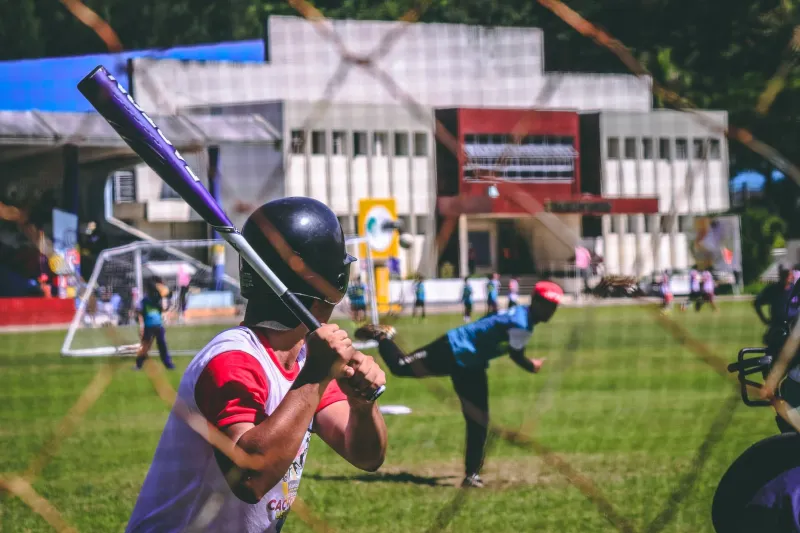
Same Swing, Sharper Choices: Building a Two-Strike Plan Without Rebuilding Your Mechanics
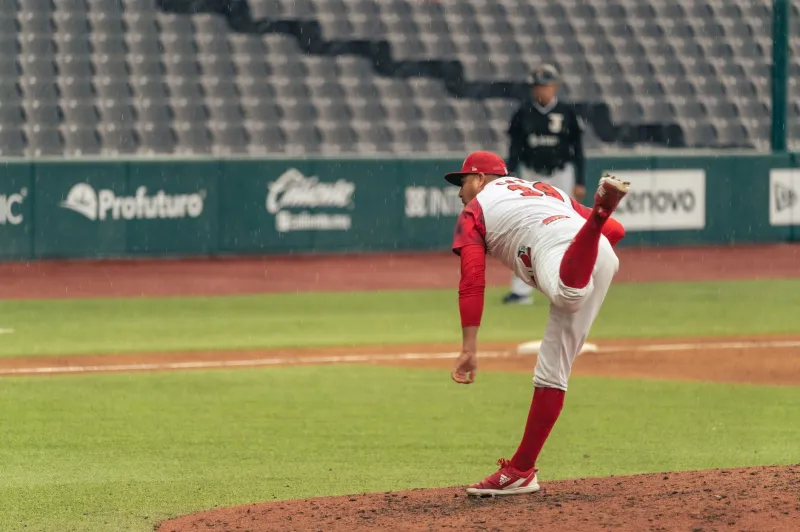
Two strikes is the moment when many young American hitters become someone else. The stance narrows. The hands slide up the handle. The swing shortens into a defensive poke. The intent shifts from damage to survival. None of those adjustments is inherently wrong, but making them all at once, in the middle of an at-bat, is a recipe for weak contact and lost confidence.
The better model is not a different swing. It is the same swing with a sharper set of choices. Japanese training tends to treat two-strike hitting as a skill of adjustment — not reinvention — and that distinction matters for players and coaches in the United States.
The Panic Reset Problem
Youth and high school hitters are often taught that two strikes means choke up, widen the stance, and put the ball in play. The advice is well intentioned. It is also frequently applied as a wholesale mechanical change at the worst possible moment. A hitter who has spent months grooving a load, stride, and barrel path is suddenly asked to abandon it under pressure.
The result is predictable. The lower half stops working. The hands become tense. The barrel arrives late or loops. The hitter is neither protecting the plate nor attacking it.
A two-strike approach should reduce risk without erasing the swing. That requires a narrower set of adjustments than most players are taught.
What Japanese Training Emphasizes: Window, Not Overhaul
Japanese coaching often frames two-strike hitting around three ideas: an adjustable contact window, foul-off intent, and calm breathing. Each is a choice layered onto existing mechanics rather than a replacement for them.
The contact window is the depth in the strike zone where a hitter can meet the ball with authority. With two strikes, the window can widen slightly — not because the swing changes, but because the hitter allows the ball to travel a fraction deeper and stays ready for both the fastball and the offspeed pitch. The swing path remains the same. The timing tolerances are managed.
Foul-off intent is another adjustment. With two strikes, the goal is not always a fair ball. A controlled swing that sends the pitch back and out of play can be a successful outcome. This is a mental shift, not a mechanical one. The hitter is still using the same lower half, the same hand path, and the same finish. The target and the acceptable result have changed.
Calm breathing is the third piece. Two-strike counts raise heart rate and narrow attention. A simple exhale before the pitch can lower tension and restore rhythm. It is not a mystical ritual. It is a way to keep the body from overriding the mechanics the hitter has trained.
Three Adjustments That Are Not New Mechanics
Coaches can teach two-strike discipline without asking hitters to rebuild their swing. The following adjustments are compatible with a power approach.
- Move the contact window, not the swing. Against velocity, contact is often made out front. With two strikes, a hitter can let the ball travel slightly deeper to cover breaking pitches. This is a timing decision. The load, stride, and barrel path stay intact.
- Swing with foul-off intent. In practice, reward hitters for spoiling pitcher’s pitches rather than only for base hits. A foul-off is a competitive outcome. It forces the pitcher to throw another pitch.
- Use breath to set tempo. A hitter should exhale as the pitcher begins the delivery and reset the shoulders before the load. This reduces the urge to rush the swing.
Drills to Build the Skill
The two-strike approach improves through repetition under representative pressure, not through lectures.
- Two-strike batting practice. Begin every rep with a 0-2 count. The hitter gets five pitches. Award a point for a fair ball and a point for a foul-off with two strikes. Track the total across rounds.
- Foul-off game. In soft toss or front toss, the hitter must foul off three pitches before trying to hit a fair ball. This trains the controlled, backside swing needed to stay alive.
- Contact-window tee work. Place a tee at three depths: front, middle, and deep. The hitter makes the same swing and notes where contact feels strongest. With two strikes, practice the deeper window without changing the path.
- Breathing routine. Have the hitter inhale for four counts and exhale for six before the first pitch of each rep. Keep the routine short and repeatable.
- Decision training. In front toss, mix fastballs and offspeed pitches. The hitter calls “yes” or “no” early, then commits only to pitches in the two-strike window. This builds recognition without adding a new mechanical cue.
Keeping Power in the Count
A two-strike approach should not turn a power hitter into a defensive hitter. The goal is to preserve the swing while widening the acceptable outcome. A hitter who chokes up so much that the lower half shuts down has not become more disciplined. The hitter has become easier to pitch to.
Japanese training tends to trust that discipline and power can coexist. The same swing, executed with a clearer plan, is more dangerous than a panicked swing that arrives early and ends softly.
For US coaches, the practical message is simple. Teach two-strike hitting as a decision skill. Keep the mechanics. Adjust the window, the intent, and the breath. The count changes. The swing does not have to.