One Hand Tells the Truth: A Bat-Fitting Check That Exposes the Wrong Stick in Your Bag

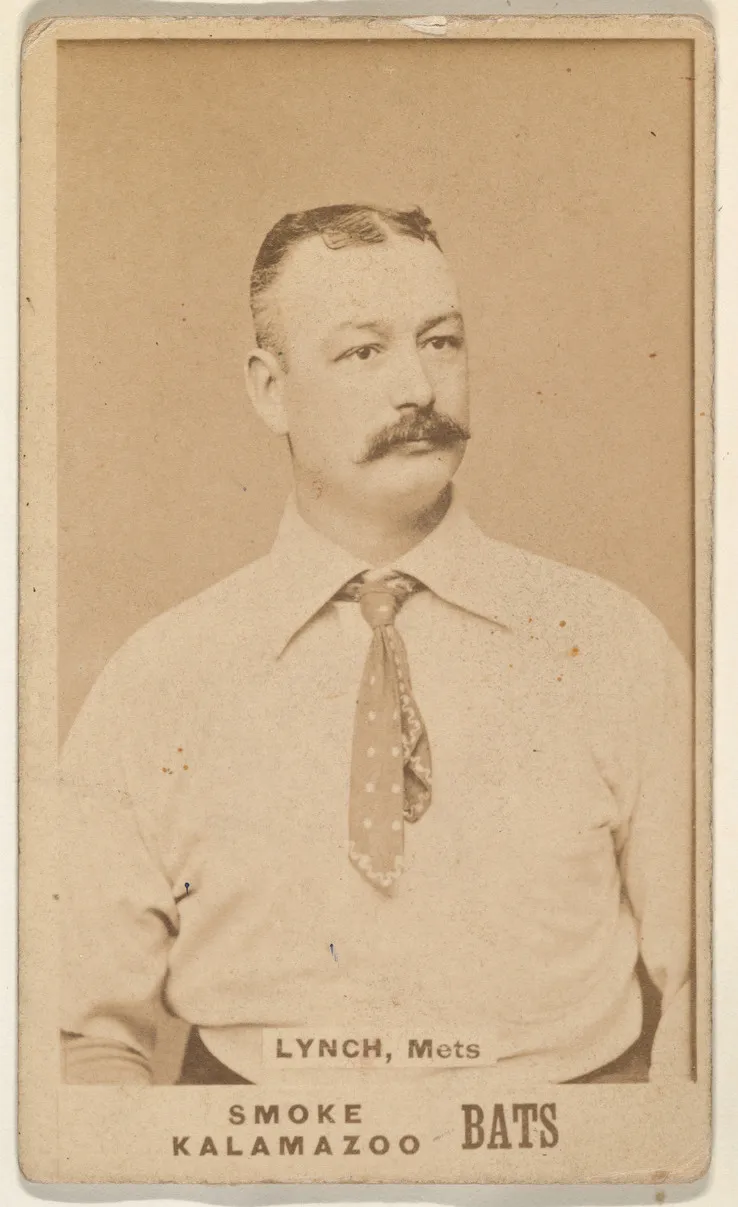
Photo: Chicago Daily News, Public domain, via Wikimedia Commons
Most American hitters do not choose a bat so much as inherit one. A player walks into a sporting goods store, reads the drop weight on the barrel, checks the price, watches a few exit-velocity videos, and leaves with a stick that feels impressive on the rack. Then the season begins, and the same bat that felt light in the aisle feels slow through the zone. The problem is rarely strength. More often, it is fit.
Japanese bat-fitting sessions tend to begin with a quieter examination. Before a hitter takes a full swing, a coach will hand over a bat and ask for a one-hand dry swing — first with the top hand, then with the bottom. The ritual looks simple. It is also one of the most efficient ways to expose a bat that is wrong for a hitter’s barrel-control profile.
Why Drop Weight Is a Weak Proxy for Feel
Drop weight is a useful label, not a complete measurement. It describes length minus weight in ounces. Two bats with the same drop can behave very differently because their mass is distributed differently. A bat with more weight toward the barrel may feel heavier to rotate even if the scale says otherwise. A bat with a lower balance point may feel quicker, but it can also encourage a hitter to drag the barrel rather than drive it.
What matters in the batter’s box is swing weight — the resistance a hitter feels when accelerating the bat — and barrel control, the ability to keep the barrel in a stable, adjustable path. Those qualities are not printed on the sticker. They have to be felt.
The One-Hand Test, Step by Step
The assessment does not require a cage, a ball, or a launch monitor. It requires space, a few bats, and enough honesty to notice what the body is reporting.
- Start with the top hand. For most hitters, this is the hand higher on the grip — the hand that guides the barrel. Place it at the knob and set up in a normal stance. Make a slow-motion swing to contact and through the finish. The goal is not speed. The goal is to feel whether the barrel stays under control or whether it pulls the hand off path.
- Repeat with the bottom hand. The bottom hand is the hand nearer the knob. A slow swing with this hand alone reveals whether the bat feels manageable or whether the hitter has to squeeze excessively to keep the barrel from flopping.
- Compare two or three bats. Use the same tempo and the same swing length. Note where the barrel wants to go, how much wrist tension is required, and whether the bat head lags naturally or feels disconnected.
- Check the grip. A grip that is too thick can make the top hand feel weak. A grip that is too thin can encourage overgripping. The one-hand test often reveals grip-size problems that a two-handed swing masks.
A bat that demands a death grip has failed the test, regardless of its price. A bat that allows the top hand to control the barrel without strain is a candidate worth testing with live pitching.
What the Test Reveals: Balance Point, Swing Weight, and Control
Balance point is where the bat rests on a finger. A bat that balances closer to the barrel will generally feel heavier to rotate. A bat that balances closer to the handle may feel quicker, but it can also feel less stable at contact. Neither is automatically better. The question is whether the hitter can control the barrel without rushing or forcing.
The one-hand test also exposes swing-weight mismatches. If the top hand cannot keep the barrel from dropping early, the bat may be too end-loaded for that hitter’s current strength and timing. If the bottom hand feels overwhelmed, the bat may simply be too heavy. If both hands feel light but the barrel wanders, the issue may be grip or bat length rather than mass.
This is why bat fitting should be treated as a sensory skill. The hitter is learning to notice the difference between a bat that feels powerful in the hands and a bat that is actually controllable through the zone.
A 2026 Buying Checklist for Players and Parents
Before purchasing a bat in 2026, use the one-hand test as a filter, not a final verdict. The following checklist keeps the process practical.
- Verify the certification required by the league. BBCOR, USSSA, and USA Baseball standards are not interchangeable. Confirm the rule set before comparing feel.
- Bring the current bat. A hitter needs a reference point. The new bat should be judged against what already works or fails.
- Test at game-like length and weight. Do not size up for future growth. A bat that fits next season may cost this season’s development.
- Perform the one-hand test before reading the price tag. Expensive bats can fail. Inexpensive bats can pass.
- Check the grip diameter. A simple re-grip can sometimes solve a control problem that seems like a bat-weight problem.
- Ask about return policy. A dry-swing test is useful, but live batting practice remains the decisive test.
- Re-test after six to eight weeks. Growth, strength changes, and swing adjustments can change what fits.
The Limits of Any Dry Test
No dry swing can replace live pitching. The one-hand test does not measure batted-ball results, nor does it account for pitch recognition or timing. It is a filter. It removes obvious mismatches before a hitter spends money and practice time on a bat that is fighting the swing.
For parents, that filter is especially valuable. Young hitters often equate heavier bats with seriousness. The one-hand test reframes the conversation around control. A bat that lets a hitter accelerate freely and adjust late is more useful than a bat that wins the rack test. The right stick is not the one that looks imposing. It is the one the hands can trust.