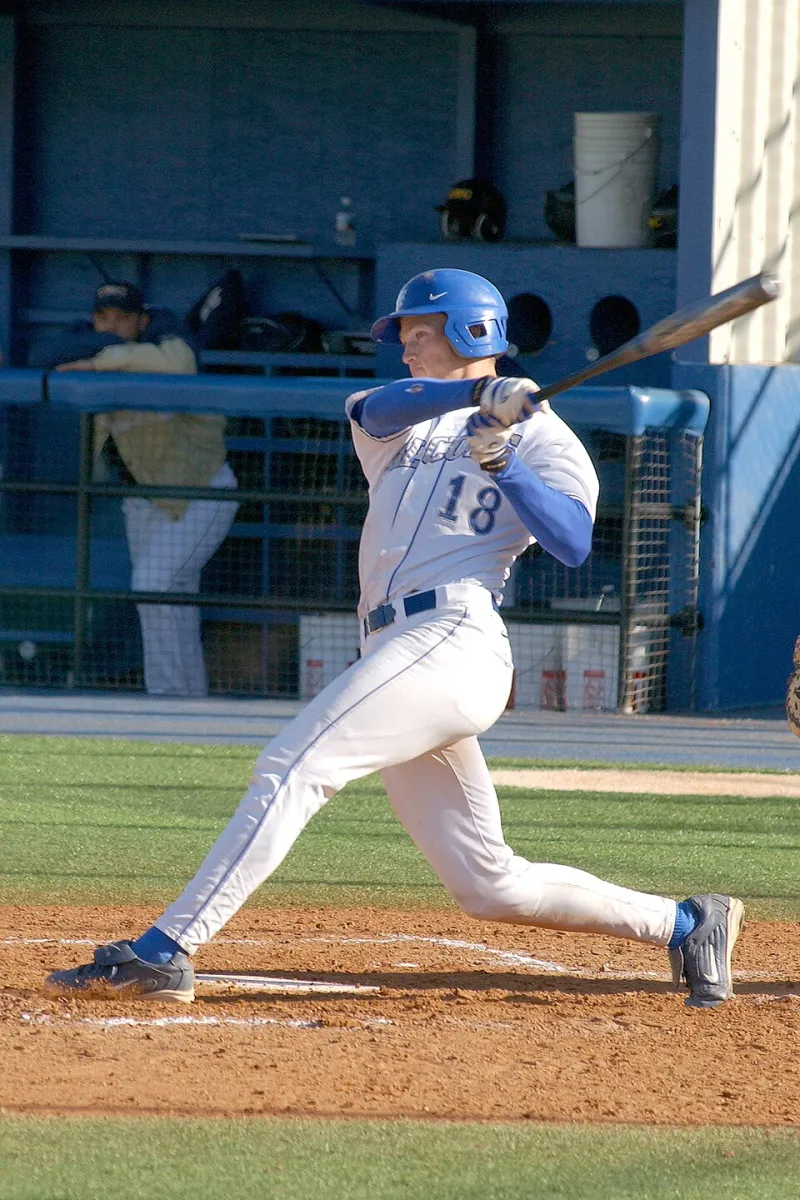
Wood, Composite, or Hybrid? A No-Nonsense Bat Buying Guide for Players Who Want to Get It Right the First Time
Photo: Creator:Chas. Gross & Co., CC0, via Wikimedia Commons
Why Your Bat Choice Matters More Than You Think
Among all the equipment decisions a baseball player makes, few have a more direct impact on performance than bat selection. A glove that fits imperfectly is an inconvenience. A bat that does not suit your swing mechanics, physical profile, or league regulations is a genuine obstacle to improvement. Yet a surprising number of amateur players—and even some experienced recreational players—choose their bat primarily based on price or appearance, leaving real performance on the table.
The good news is that making an informed bat decision does not require an engineering degree. It requires understanding a handful of core concepts and applying them honestly to your own situation. This guide will walk you through each one.
Understanding the Three Material Categories
Wood Bats
Wood remains the standard at the professional level and carries a distinct appeal for players who want to train with the most unforgiving—and most instructive—tool available. The primary wood species used in bat manufacturing are maple, ash, and birch, each with distinct performance characteristics.
Maple is dense and hard, producing a stiff feel at contact and a relatively small sweet spot. It rewards precise mechanics and is the most popular choice among MLB players. Ash is lighter and more flexible, offering a larger effective hitting area and a softer feel that some players find easier to control. Birch falls between the two, combining reasonable hardness with enough flex to absorb some mis-hits.
For amateur players, wood bats serve primarily as training tools. Hitting off a wood bat consistently forces you to make solid contact—there is no trampoline effect to compensate for an off-center strike. Many serious amateur players incorporate wood bat practice specifically to sharpen their contact quality, then compete with composite or alloy bats in game settings.
Budget range for quality wood bats: $40–$120 for training-grade options; professional-quality cuts can run $150 and above.
Composite Bats
Composite bats are manufactured from layered carbon fiber materials, and they represent the most technologically sophisticated option in the consumer bat market. The primary advantages of composite construction are a larger sweet spot, reduced vibration on mis-hits (commonly called "sting"), and a trampoline effect that can meaningfully increase batted ball speed.
Composite bats also typically require a break-in period—usually between 150 and 200 hits—before they reach peak performance. This is not a flaw; it is a feature of how the fiber layers settle and compress. A properly broken-in composite bat will outperform an equivalent alloy bat in most measurable metrics.
The primary drawbacks are cost and durability. Quality composite bats are the most expensive option in the market, and they are more susceptible to cracking in cold temperatures (generally below 60°F). Most manufacturers explicitly void warranties on composite bats used in cold weather, a consideration worth noting if you play in the northern United States during early spring seasons.
Budget range: $150–$450 for USSSA or USA Baseball certified models; high-end BBCOR composites approach $500.
Hybrid Bats
Hybrid bats combine a composite handle with an alloy (aluminum) barrel, attempting to capture the best qualities of both materials. The composite handle reduces vibration and provides a lighter swing weight, while the alloy barrel delivers immediate performance without a break-in period and at a lower price point than full composite construction.
For players who want a meaningful upgrade from a basic aluminum bat without committing to the cost and care requirements of a full composite model, hybrids represent a genuinely compelling middle ground. They have become increasingly popular in the high school and travel ball markets for exactly this reason.
Budget range: $100–$300 depending on certification and brand.
Swing Weight: Drop, Balance, and What It Means for You
The "drop" of a bat refers to the numerical difference between its length in inches and its weight in ounces. A 32-inch bat weighing 29 ounces is a drop-3 bat (32 minus 29 equals 3). A higher drop number means a lighter bat relative to its length.
For younger or developing players, a higher drop (lighter bat) generally allows for faster swing speeds, which translates to better contact rates. As players mature physically and develop more efficient mechanics, transitioning toward heavier bats (lower drop numbers) typically produces better exit velocities on well-struck balls.
High school and college players competing under BBCOR regulations are limited to drop-3 bats, which standardizes the playing field across all materials. Youth leagues using USA Baseball or USSSA certifications permit higher drops, so always verify your league's specific requirements before purchasing.
Barrel Size and Its Impact on Performance
Barrel diameter affects both the size of the sweet spot and the bat's certification eligibility. The two most common barrel sizes in amateur baseball are 2-5/8 inches (standard for most youth and high school bats) and 2-3/4 inches (common in USSSA youth bats). BBCOR bats are capped at 2-5/8 inches.
A larger barrel does not automatically mean better performance—it depends heavily on the player's swing path and contact tendencies. Players with consistent, repeatable mechanics often benefit more from optimizing bat weight than from maximizing barrel diameter.
A Practical Decision Matrix
Use the following framework to narrow your selection:
- New to the sport, youth player (under 12): USA Baseball certified aluminum or entry-level composite, drop-8 to drop-10, prioritize light swing weight over barrel size. Budget: $40–$100.
- Developing player, travel ball or middle school: USA Baseball or USSSA certified composite or hybrid, drop-5 to drop-8. Budget: $100–$200.
- High school player, BBCOR required: BBCOR-certified composite or hybrid, drop-3. Budget: $150–$350.
- Adult recreational league: Check league rules first—many adult leagues require BBCOR or wood only. A quality alloy or hybrid in the $80–$200 range is typically sufficient.
- Serious training at any level: Add a wood bat to your rotation regardless of your primary game bat. Maple or birch, $50–$100.
Final Recommendations Before You Buy
Always confirm your league's certification requirements before purchasing—returning a bat because it fails to meet regulations is an avoidable frustration. When possible, handle the bat in person before committing; grip circumference and knob style affect comfort in ways that online specifications cannot fully convey.
At BattingUya, we consistently emphasize that the best bat is the one that fits the player, not the one with the most impressive marketing. Invest in understanding your own swing first, and let that knowledge guide your equipment decisions. A well-chosen bat at a modest price point will outperform an expensive bat that does not suit your mechanics every time.