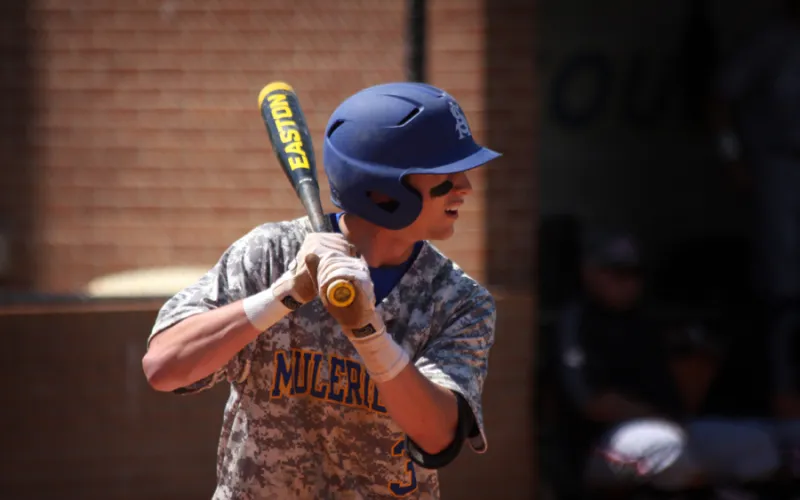
Rhythm Over Reflexes: How Elite Hitters Build an Internal Clock That Beats Fast Pitching
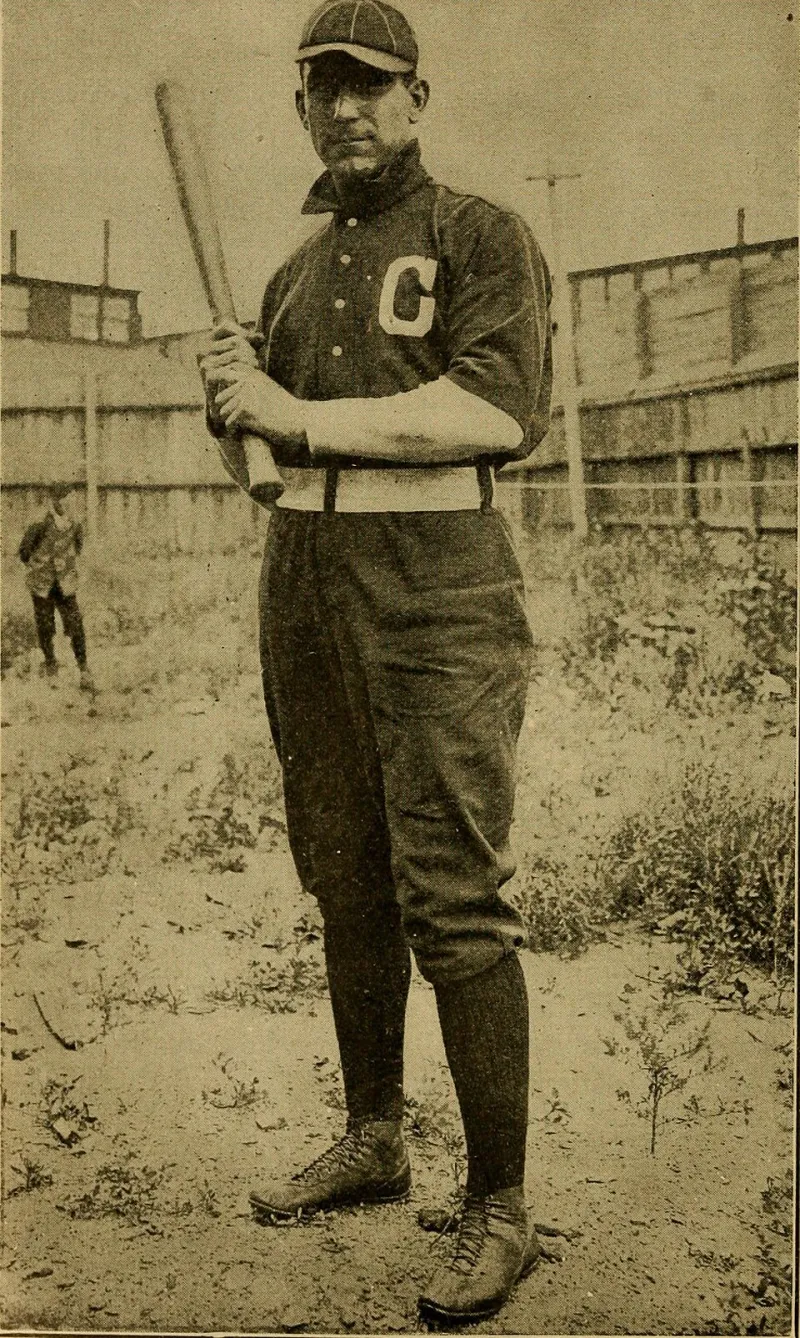
Photo: Internet Archive Book Images, No restrictions, via Wikimedia Commons
There is a persistent myth in American baseball culture that the best hitters are simply the fastest reacters. Coaches have long told young players to "see the ball, hit the ball," as if the act of connecting with a 95-mile-per-hour fastball were purely a function of neurological speed. The data, however, paints a more complicated picture—and one that elite hitters have quietly understood for decades.
The truth is this: by the time a pitch reaches the hitting zone, the human nervous system has already run out of time to process it consciously. A fastball thrown from a major league mound arrives in roughly 400 milliseconds. Research in sports science consistently shows that the average human reaction time—the window between perceiving a stimulus and initiating a motor response—falls between 150 and 250 milliseconds. The arithmetic is unforgiving. Pure reaction simply is not fast enough.
So how do hitters do it?
The Brain Gets There Before the Ball Does
Elite batters do not react to pitches. They anticipate them. The distinction is not semantic—it is physiological. Rather than waiting for sensory input to trigger movement, experienced hitters build predictive models in real time, reading the pitcher's mechanics, arm slot, and release point to form an educated forecast before the ball is even released.
This process is governed less by raw speed than by what researchers call "temporal anticipation"—the ability to synchronize one's own movement patterns with an external rhythmic event. Think of a jazz musician who lands a note not by reacting to the beat, but by internalizing its pulse so completely that the timing becomes instinctive.
In the batter's box, that internal pulse is what separates a hitter who "gets himself out" from one who consistently squares up quality pitches.
What Japanese Martial Arts Teach Us About Timing
The concept of ma—a Japanese term referring to the meaningful pause between actions—offers a compelling framework for understanding batting rhythm. In disciplines such as kendo and aikido, practitioners are trained not to respond to an opponent's strike after it is launched, but to move in harmony with the opponent's intention. The skilled practitioner reads the ma, the charged interval of anticipation, and acts within it rather than after it.
Japanese baseball academies have long incorporated this philosophy into hitting instruction. Rather than drilling players on reaction drills alone, coaches emphasize tempo management: the deliberate cultivation of a personal rhythm that the hitter carries into every at-bat regardless of the pitcher's pace or the game situation.
This is why you will notice that many elite hitters—whether they trained in Japan or absorbed similar principles elsewhere—have a remarkably consistent pre-swing routine. The leg kick, the toe tap, the subtle weight shift: these are not nervous habits. They are the external expression of an internal metronome.
The Science of Swing Tempo
Sports biomechanics researchers at several university programs have studied how hitters coordinate their movement initiation with pitch timing. Their findings reinforce what Japanese coaches have practiced intuitively for generations. Hitters who demonstrate what scientists call "movement onset variability"—meaning their stride timing fluctuates significantly from pitch to pitch—show measurably lower contact rates, even when their raw bat speed is high.
Conversely, hitters with consistent stride timing, even if their overall bat speed is modest, achieve higher contact percentages. Rhythm, not velocity, is the organizing principle of effective hitting.
This finding has direct implications for how American youth coaches should structure their training programs. Spending the majority of practice time on tee work and speed-focused drills may inadvertently train players to prioritize power at the expense of the temporal consistency that actually produces contact.
Four Drills to Train Your Internal Clock
Developing a reliable internal timing mechanism is a trainable skill. The following drills are drawn from both sports science literature and Japanese hitting development programs, adapted for players at the high school through amateur adult level.
1. The Metronome Tee Drill Set a metronome or a free rhythm app to a steady beat—somewhere between 60 and 80 beats per minute. Begin your load on one beat and initiate your swing on the next. The goal is not to swing fast, but to swing on time. After ten repetitions at one tempo, shift the metronome setting and repeat. This trains the hitter to modulate internal rhythm rather than lock into a single pace.
2. Pitcher Mirroring During bullpen sessions or live batting practice, have a partner stand beside the batter and mirror the pitcher's windup. The hitter's task is to begin their stride at the same moment the pitcher begins their delivery—not when the ball is released. This shifts attention from the ball to the pitcher's rhythm, which is where elite timing actually originates.
3. Variable Tempo Front Toss A coach or partner delivers front toss at deliberately inconsistent intervals—sometimes quickly, sometimes with a long pause. The hitter must reset their internal clock after each pitch rather than falling into a mechanical pattern. This drill is particularly effective at exposing over-reliance on external timing cues.
4. The Pause and Hold During dry swings, instruct the hitter to hold their load position for a full two seconds before initiating the swing. This isolates the transition from gathering to firing, building conscious awareness of the moment where internal rhythm meets physical execution.
Rethinking How We Develop Hitters
American baseball development has made remarkable strides in recent years, particularly in the realm of biomechanical analysis and exit velocity metrics. These tools are genuinely valuable. But they risk creating a generation of players who are physically powerful and temporally fragile—hitters who can launch a ball when conditions are ideal but fall apart when a pitcher disrupts their timing.
The lesson from Japan's hitting tradition, and from the science of motor learning, is that rhythm is not a soft skill. It is a foundational one. Coaches who invest time in developing their players' internal clocks—through deliberate, structured tempo training—are building hitters who will remain effective across a wide range of pitching styles, velocities, and game situations.
The fastest hands in the world are only useful if they arrive at the right moment. And the right moment, as it turns out, is something you have to build from the inside out.