Before the First Pitch, Train Tempo, Not Tension: A Pregame Bat-Speed Sequence
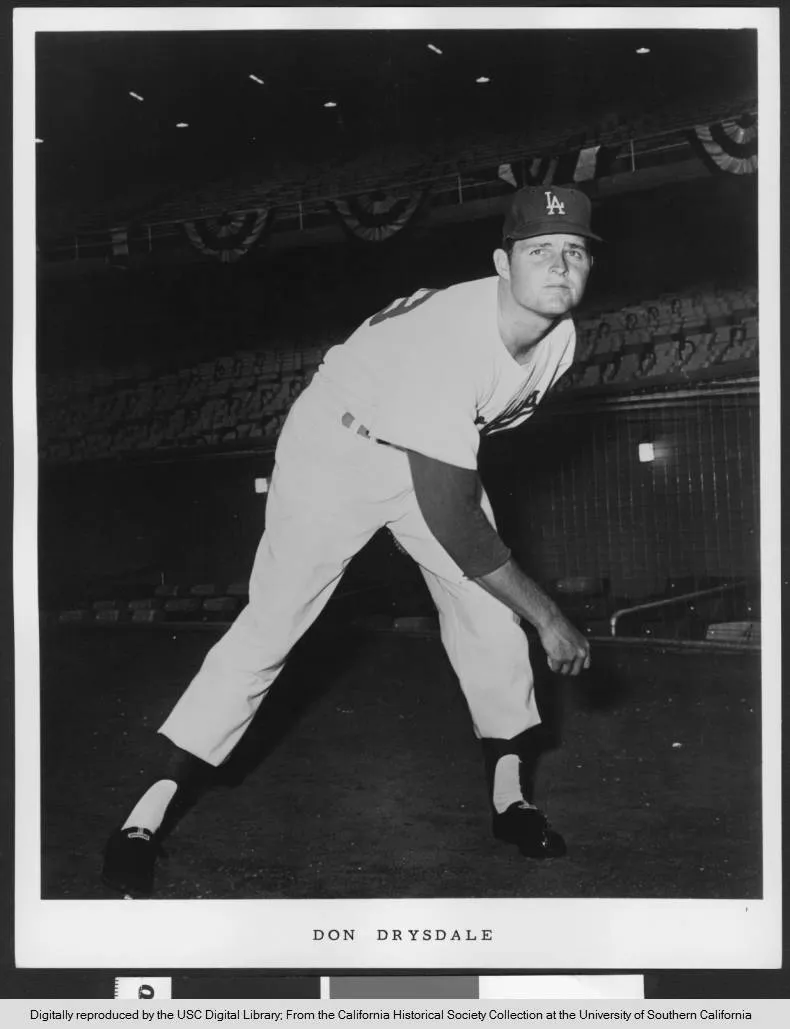
Photo: Unknown authorUnknown author, CC BY 3.0, via Wikimedia Commons
Pregame routines in US dugouts still run on a familiar ritual: a weighted donut on the bat, a few aggressive swings, and a dash to the on-deck circle. The ritual is not worthless. It raises heart rate and makes the game bat feel lighter. But it can also leave a hitter calibrated to the wrong task. Japanese suburi routines offer a different priority: prime tempo and sequence first, then let the game bat feel normal.
What the Donut Actually Does
A heavy bat changes the movement problem. The body must recruit more force, the swing takes longer, and the hands may learn to compensate by dragging or pushing. A few heavy swings can create a temporary contrast effect, making the game bat feel light and fast. That sensation is real, but it is not the same as being timed to a pitch.
The larger risk is sequence. The last movements before competition should resemble the swing the hitter needs. A hitter who finishes with heavy overload may feel loose but be slightly late, early, or disconnected from the lower half. The donut is not the enemy. Using it as the final step before the on-deck circle is the problem.
The Suburi Principle: Intent Before Load
Suburi is repeated swinging practice. In Japanese training, it often emphasizes precise posture, repeatable path, and clear intent rather than maximum effort. A hitter may take dozens of swings with a light or standard bat, checking head position, balance, and finish. The goal is not exhaustion. It is calibration.
This principle fits the pregame window well. A hitter does not need to build strength ten minutes before first pitch. The hitter needs to raise body temperature, activate the nervous system, and rehearse the timing and path that will be used in the game.
A Twelve-Minute Pregame Sequence
1. Dynamic warm-up, three minutes. Use rotations, band work, and light movement to prepare the hips, trunk, and shoulders. Do not rush this step. A cold body will compensate before the first swing.
2. Light-bat tempo, two minutes. Take fifteen swings with a light bat or a standard bat held lightly. Swing at about eighty percent intent. Focus on rhythm, balance, and a clean finish. The purpose is not to hit the ball hard. The purpose is to organize the swing.
3. Standard-bat mechanics, two minutes. Take ten controlled swings with the game bat. Check posture, direction, and barrel path. If a mirror or video is available, use it briefly. Keep the feedback simple.
4. Timing ladder, three minutes. Move to front toss or a machine. Start with moderate velocity, then alternate slightly faster and slower pitches. Take eight to ten swings. The goal is to see the ball early and adjust without changing the swing.
5. Final calibration, two minutes. Finish with five game-bat swings at game intent. Then take one or two visual pitches without swinging. The hitter should leave the cage feeling that the ball is visible and the swing is organized.
If a hitter uses a weighted bat, place it early in the routine, not as the final step before the on-deck circle. Use low volume. Follow it with several minutes of standard-bat work so the nervous system returns to game timing.
What to Measure
Do not judge the warm-up by feel alone. Track swing decisions, barrel accuracy, and whether the hitter is early or late on the timing ladder. A good warm-up leaves the hitter feeling neither sluggish nor rushed. The swing should feel repeatable, not maximized.
Coaches can also watch for signs that the routine is too heavy: dropped barrel, pulling off the ball, or a finish that changes from swing to swing. These are clues that the warm-up is creating tension rather than tempo.
Why Light-Bat Tempo Beats Overload for Most Hitters
A light bat reduces the need to compensate. It allows the nervous system to rehearse sequence without a strength demand. Heavy bats can be useful in offseason strength blocks, but they are a poor last-minute timing tool for most game hitters. The pregame goal is not to prove strength. It is to prepare the swing that will face a pitcher.
The Dugout Takeaway
The best pregame routine is not the most strenuous. It is the one that leaves the hitter ready to repeat a game swing. Put tempo before tension. Put intent before load. Then trust the work.