Loose Hands, Lethal Swing: What Japanese Academy Grip Training Reveals About Hidden Power Loss
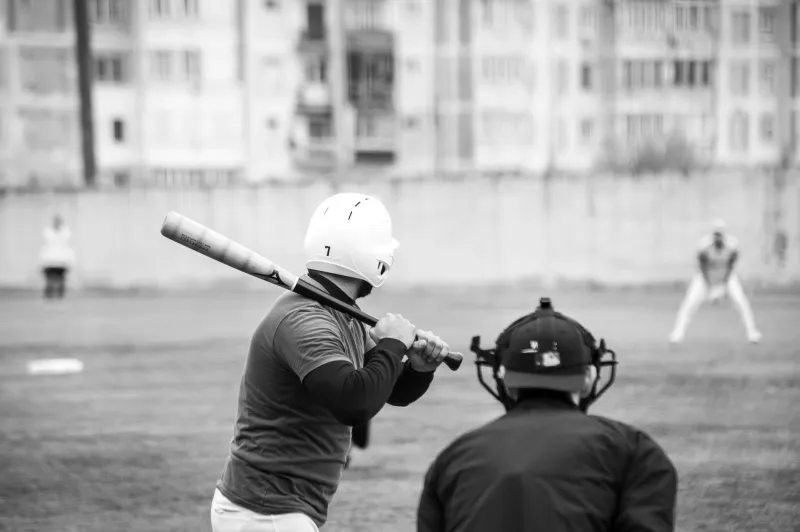
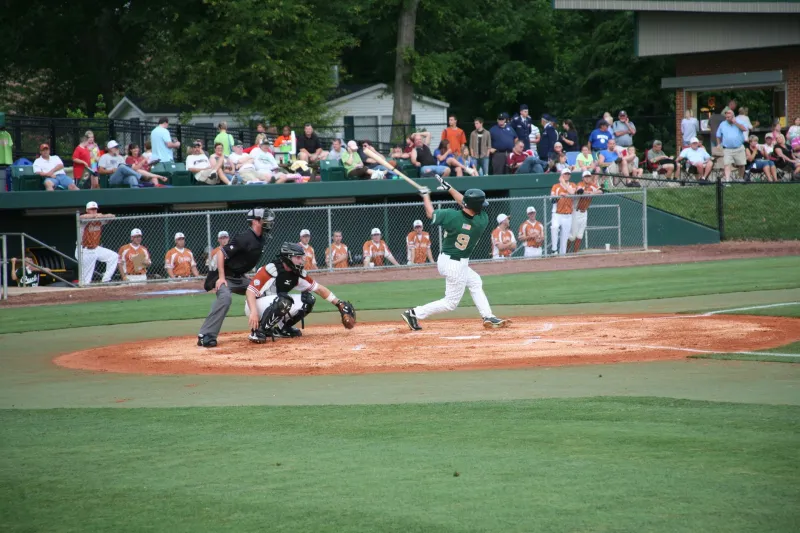
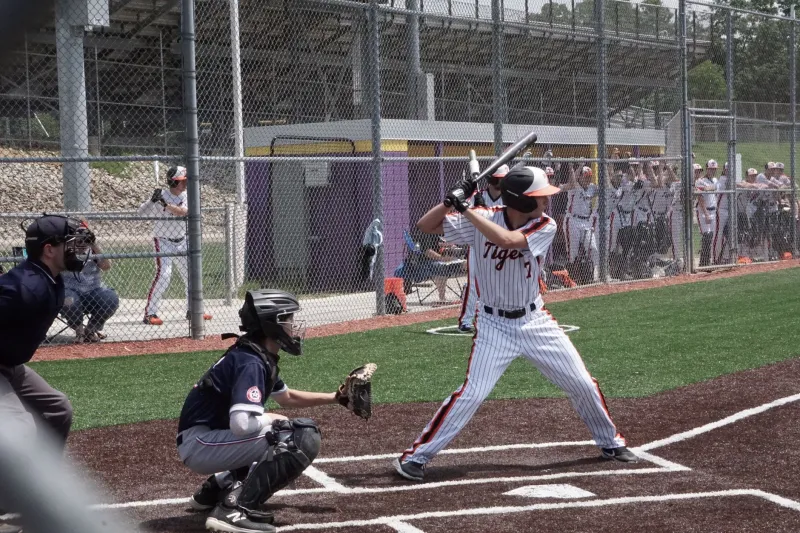
Walk into almost any youth baseball practice across the United States and you will hear some version of the same instruction: "Grip it tight and rip it." It sounds intuitive. It sounds powerful. And for decades, it has been quietly undermining the potential of American hitters at every level of the game.
Grip pressure is one of the most overlooked variables in hitting development. While coaches spend significant time refining stance, load, hip rotation, and follow-through, the way a hitter's hands interact with the bat handle is rarely dissected with the same rigor. That oversight carries a measurable cost — one that Japanese baseball academies identified long ago and have been correcting systematically ever since.
The Physiology of a Strangled Swing
To understand why grip pressure matters so profoundly, it helps to consider what happens to the body when the hands clench too tightly around the handle.
When grip tension is elevated, the forearm flexor muscles engage prematurely and remain in a semi-contracted state throughout the swing. This creates what biomechanics researchers describe as muscular "noise" — background tension that interferes with the clean, sequential firing of larger muscle groups. The wrists lose their natural snap. The forearms resist rather than assist the whipping motion that generates bat speed. The hands, instead of being reactive conduits of force, become rigid anchors that slow the barrel down at precisely the moment it needs to accelerate.
The result is a swing that feels powerful — it requires genuine muscular effort — but actually produces less measurable bat speed than a more relaxed alternative. Hitters in this pattern often describe their mechanics as strong and controlled. Radar guns and high-speed cameras tell a different story.
What Japanese Academies Prioritize Differently
In elite Japanese baseball development programs, grip instruction begins not with how tightly to hold the bat, but with how lightly a hitter can hold it while still maintaining command of the barrel. This distinction is subtle but foundational.
The concept, sometimes referred to in Japanese coaching circles as "soft hands at the ready," treats grip pressure as a dynamic variable rather than a fixed setting. A hitter's hands are relatively relaxed in the stance and through the load phase, allowing the larger muscle groups — the hips, core, and shoulders — to initiate movement without competing against forearm tension. As contact approaches, grip pressure increases naturally and reflexively, not through conscious clenching but through the body's automatic response to impact.
This approach mirrors principles found in other precision-power sports. Golfers, tennis players, and martial artists have long understood that pre-tensed extremities rob movements of their fluidity and speed. Japanese baseball coaches applied the same logic to the batter's box and built training systems around it.
The practical effect is a swing that travels faster through the zone, arrives at contact with more whip, and recovers more quickly for the natural follow-through. Hitters trained this way also report better feel for the barrel — a heightened sense of where the bat head is throughout the swing — because relaxed hands are more neurologically sensitive than tense ones.
Self-Assessment: Identifying Your Own Grip Problem
Before making any mechanical changes, it is worth determining whether excessive grip pressure is actually affecting your swing. The following assessments can be performed with minimal equipment.
The Forearm Fatigue Test Take your normal stance and hold your bat in your typical pre-pitch grip for thirty seconds without swinging. Then release and observe: Are your forearms noticeably fatigued? Do your hands feel relieved when you let go? Significant tension release upon dropping the bat suggests you are gripping harder than necessary during live at-bats.
The Partner Tap Drill Have a coach or training partner gently tap the barrel of your bat while you hold it in your stance. A hitter with appropriate grip tension will feel the vibration travel naturally through the handle. A hitter gripping too tightly will feel almost nothing — the excessive tension is absorbing and deadening that feedback signal.
The Slow-Motion Video Review Record your swing from a rear angle and review the footage in slow motion, focusing specifically on your forearms from stance through contact. Visible forearm muscle definition and rigidity before the swing initiates is a reliable visual indicator of pre-tension that does not belong there.
Practical Adjustments You Can Apply Immediately
Once you have identified that grip pressure is a limiting factor, correction does not require rebuilding your swing from scratch. These targeted adjustments can produce noticeable results within a single practice session.
Reset Your Baseline Grip Pressure On a scale of one to ten — where one is barely holding the bat and ten is maximum squeeze — most American hitters operate between seven and nine throughout their entire at-bat. The target for your stance and load phase should be closer to three or four. Consciously rehearse this lighter grip in dry swings before bringing it into tee work or soft toss.
Use the Doorknob Cue Many coaches who have incorporated Japanese grip principles into their instruction use this mental image: hold the bat the way you would hold a doorknob you are about to turn, not the way you would hold a rope you are trying not to drop. The doorknob metaphor naturally produces the right amount of engagement without triggering the over-tension response.
Practice Grip Pressure Transitions In a controlled setting, take slow, deliberate swings where you consciously start with light grip pressure and allow it to increase naturally as the barrel approaches the contact zone. You are not forcing the transition — you are learning to trust that your hands will respond appropriately when needed. Repeat this ten to fifteen times before moving to full-speed swings.
Tee Work with Immediate Feedback Place a tee at your optimal contact point and take swings while a partner monitors your forearms visually. Their job is to call out "tight" any time they observe premature forearm engagement. This external feedback loop accelerates the re-patterning process significantly.
Why This Is Harder to Fix Than It Should Be
Grip pressure is a deeply ingrained habit, and habits tied to physical sensation are among the most resistant to change. Many hitters have been squeezing the handle tightly for years because it genuinely feels more controlled and more powerful. Asking them to loosen that grip introduces a temporary sense of vulnerability that can be psychologically uncomfortable.
The breakthrough moment typically comes when a hitter experiences their first clean, loose-handed contact during live batting practice. The difference in sound, vibration, and ball flight is immediate and unmistakable. That sensory experience does more to cement the new pattern than any amount of verbal instruction.
Patience matters here. Expect two to three weeks of consistent deliberate practice before the adjusted grip pressure begins to feel natural under game conditions.
The Bigger Picture
Grip pressure is a small adjustment with outsized consequences. It sits at the intersection of biomechanics, neuroscience, and habit formation — which is precisely why it has been overlooked for so long in American hitting instruction. Japanese academies addressed it systematically because their development philosophy demands attention to every variable in the chain, no matter how small it appears on the surface.
For American hitters willing to challenge the "grip it and rip it" orthodoxy, the reward is a swing that is simultaneously faster, more consistent, and more forgiving. That is not a minor upgrade. At the plate, that is the difference between a hitter who fights the barrel and one who commands it.